
Quick facts about cervical cancer
Cervical cancer is the sixth most common cancer among females in Malaysia.
The incidence of cervical cancer increases for a woman from 35 years old onwards and peak between 55-64 years old and 70 years old onwards.
The lifetime risk of contracting cervical cancer is 1 in 154 females in Malaysia. Malay women were found to have the highest incidence of cervical cancer followed by Chinese and Indian.
Types of cervical cancer
The cervix connects the uterus to the vagina in the female reproductive system.
The surface of the cervix is covered by two types of cells. The cell your cervical cancer develops from determines the type of cervical cancer you have:
-
Squamous cells
These cells line the outer surface of the cervix (ectocervix). Cancer that develops from squamous cells is known as squamous cell carcinoma and is the most common type of cervical cancer (accounting for 70% of cases).
-
Glandular cells
These cells line the inner surface of the cervix (cervical canal or endocervix). Cancer of these cells is called adenocarcinoma. Adenocarcinoma is less common (25% of cases) than squamous cell carcinoma.
Other carcinomas
There are also some other rare carcinomas of the cervix, such as small cell carcinomas, cervical sarcoma, clear cell adenocarcinoma and mixed carcinomas (adenosquamous) which contain both squamous and glandular cells.

Signs and symptoms of cervical cancer
As signs and symptoms for cervical cancer can be similar to other common conditions, it’s important to see your GP or healthcare professional if you experience any of the symptoms below. Discussing anything concerning as soon as possible can help give you peace of mind and offer the best chance of successful treatment if you receive a cervical cancer diagnosis.
Symptoms include:

Vaginal bleeding between periods

Pain or bleeding during or after sexual intercourse

Changes in vaginal discharge

Menstrual bleeding that is longer or heavier than usual

Vaginal bleeding after menopause

Pelvic pain
Stages of cervical cancer
A cervical screening test can determine if there are any abnormal or cancerous cells in the cervix.
The TNM system is used to stage cervical cancer and define your treatment. The TNM stands for:
Tumour (T) – The degree to which the tumour has affected other tissue, for example how much of the cervix and surrounding tissue has been affected
Nodes (N) – Is a measure of whether lymph nodes have been affected
Metastasis (M) – Whether the cancer has spread to other parts of the body
The TNM information, along with other tests, helps determine the stage of your cervical cancer using the classifications below:
-
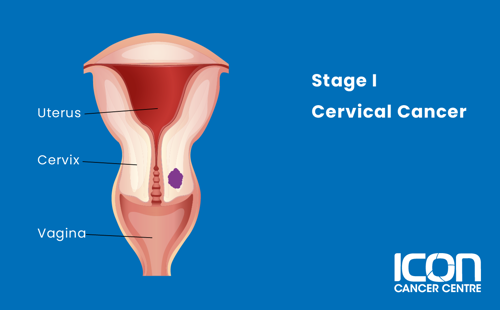
Stage I
The cancer is confined to the tissue of the cervix.
-
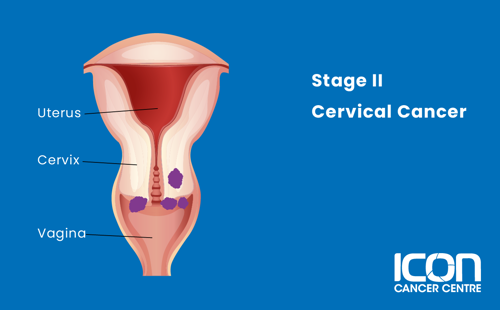
Stage II
The cancer has spread out of the cervix to the upper two-thirds of the vagina or other tissue next to the cervix.
-
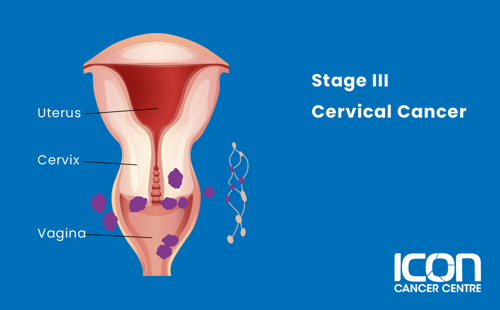
Stage III
The cancer may also have spread to the pelvic side wall, or the tumour is causing obstruction to the kidney(s). The cancer has spread to the pelvic or abdominal lymph nodes.
-
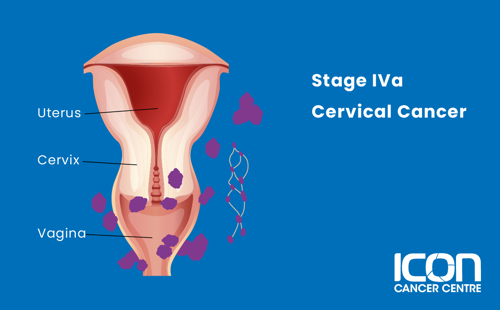
Stage IVa
The cancer has spread to surrounding pelvic organs, including the bladder or rectum.
-
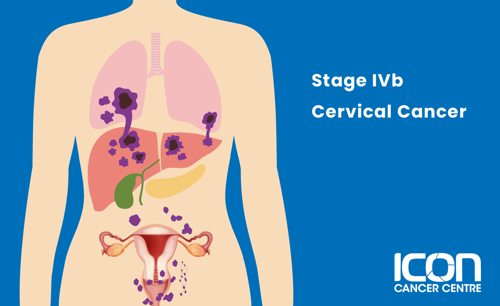
Stage IVb
The cancer has spread to beyond the pelvis, such as to the lungs, liver or bones.
Treatment for cervical cancer
There are many different types of treatment for cervical cancer. Your treatment will depend on you and your cancer.
Frequently asked questions about cervical cancer
Helpful resources
References
More information

Make an appointment
We're here to help you navigate this difficult time by offering both in-person and telemedicine consultations.
Enquire now
Our doctors
Icon brings together some of Malaysia’s most experienced clinical oncologists and haematologist.
Find a doctor

Your care team
Icon’s cancer care team are here to support you with compassion, knowledge and hope.
Meet our expert team